
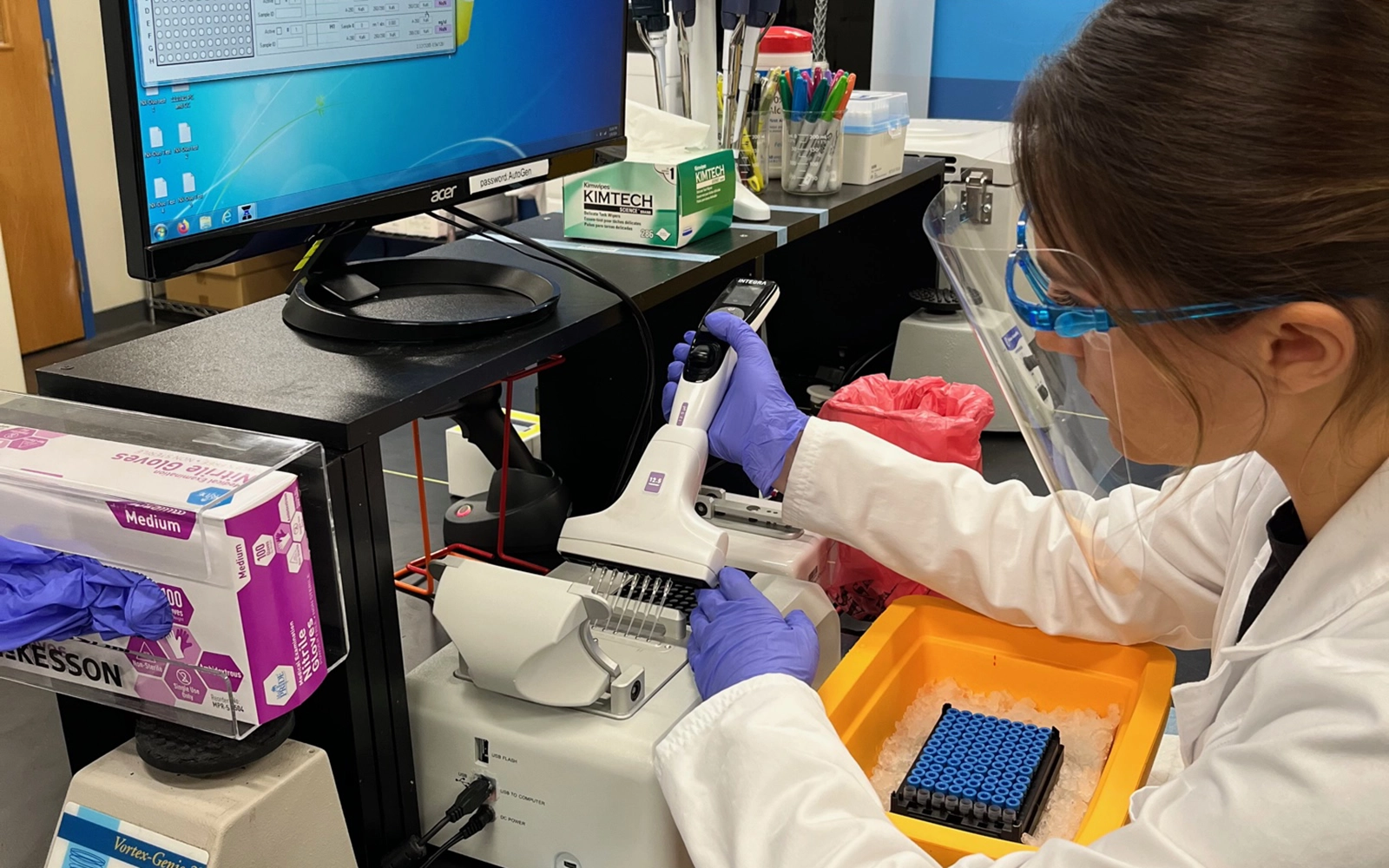
Efficient sample management is critical for laboratory productivity, data integrity, and regulatory compliance. Modernizing and automating sample workflows not only reduces errors and costs but also enhances research outcomes. Here’s how to best streamline sample management, drawing on expert guidance and real-world case studies:
Key Strategies
- Adopt Digital Tools and LIMS
Transition from manual systems (paper records, spreadsheets) to digital platforms such as Laboratory Information Management Systems (LIMS). These solutions automate sample tracking, centralize data, and ensure every sample action is recorded and traceable, which reduces human error and saves time. - Implement Barcoding or RFID Technology
Use barcode or RFID labeling for each sample to enable quick, precise identification and minimize the risk of misplacement or mix-ups. Automated label printing and scanning streamline retrieval and inventory checks. - Integrate Systems and Instruments
Choose digital tools or LIMS that can seamlessly integrate with your lab’s instruments and other software. This eliminates manual data entry, ensures real-time updates, and improves overall data consistency. - Automate Inventory Management
Use solutions that track not just sample locations but also inventory depletion (e.g., reagents, consumables). Set up automated notifications for low stock and, if possible, enable automatic reordering to prevent workflow interruptions. - Customize Lab Needs
Select systems that offer flexibility and customization, allowing you to model different sample types, depletion events, and workflows as your lab evolves. - Ensure Data Security and Compliance
Opt for platforms that provide secure data storage, audit trails, and compliance features, especially if handling sensitive or regulated samples. - Train Staff and Manage Transition
Invest in comprehensive staff training to ensure smooth adoption of new systems. Clear protocols and ongoing support are essential for maximizing the benefits of digital tools.
Implementation Steps
- Evaluate Current Methods: Assess your existing sample management processes to identify bottlenecks, error-prone steps, and integration gaps.
- Select and Deploy Suitable Tools: Choose a LIMS or digital platform that matches your lab’s scale, complexity, and integration needs.
- Digitize and Standardize Workflows: Migrate records, standardize labeling, and automate repetitive tasks.
- Monitor and Optimize: Regularly review system performance, solicit user feedback, and iterate processes for continuous improvement.
Real-World Impact
- The University of Pittsburgh Behavioral Immunology Lab improved sample tracking efficiency by 50% after switching from paper/Excel to a digital platform with barcode automation.
- Lund University’s Department of Translational Medicine reduced sample retrieval times from hours to minutes by implementing a digital solution, demonstrating the dramatic efficiency gains possible.
Summary Table: Key Features for Streamlined Sample Management
| Feature | Benefit |
| Digital LIMS | Centralized, automated sample tracking |
| Barcoding/RFID | Fast, error-free identification |
| System Integration | Eliminates manual entry, real-time data |
| Automated Inventory Management | Reduces waste, prevents shortages |
| Customization | Adapts to unique lab workflows |
| Data Security & Compliance | Ensures regulatory adherence |
| Staff Training | Smooth transition, optimal use |
By embracing these technologies and best practices, labs can significantly streamline sample management, minimize errors, and maximize operational efficiency.
2D Tubes by AutoGen provides automation-ready and integration-friendly sample management workflows. Visit 2D-Tubes.com to schedule time to discuss your sample handling and storage needs.